
Language is a living, evolving system, and words often carry multiple layers of meaning depending on context.
One word that exemplifies this evolution is demure. Many ask, “what does demure mean?” in formal contexts, while others encounter it in ironic or slang situations.
This guide explores demure meaning, its traditional definition, modern ironic usage, and how understanding its nuances can enhance your communication and cultural literacy.
The Traditional Definition of Demure

Traditionally, the word demure refers to someone who is modest, reserved, and shy. It often describes individuals who avoid drawing attention to themselves, reflecting quiet elegance or restrained behavior.
According to the Oxford English Dictionary, demure is defined as:
“Reserved, modest, and shy, often associated with decorum and propriety.”
Characteristics of someone traditionally considered demure include:
- Polite and well-mannered behavior
- Avoidance of excessive attention
- Quiet and composed demeanor
- Conservative appearance or attire
- Humility and modesty in speech
| Trait | Description | Example |
| Modesty | Avoiding ostentation | Wearing simple, elegant clothes |
| Reservation | Staying quiet in groups | Listening more than speaking at parties |
| Shyness | Preferring limited social exposure | Hesitating to make the first introduction |
| Composure | Calm and self-controlled | Maintaining grace under pressure |
| Humility | Not boasting about achievements | Downplaying personal success |
Quote:
“A demure person doesn’t need to shout to be noticed; their subtlety speaks volumes.”
Demure in Modern Slang: An Ironic Twist
In recent years, demure has gained a slang meaning, often used ironically to describe the opposite of modest or restrained behavior. When someone says, “That outfit is so demure,” they may actually mean it is bold, flamboyant, or attention-grabbing. This ironic usage is a fascinating example of semantic drift and pragmatic recontextualization in modern English.
Key features of slang usage include:
- Irony and sarcasm: The word describes something loudly extravagant or attention-demanding.
- Social signaling: Using demure ironically indicates familiarity with youth, fashion, or LGBTQ+ communities.
- Contrast-based humor: Humor arises from deliberately opposing the traditional meaning.
Examples in contemporary usage:
- “Jake arrived at the club wearing a neon yellow suit with flashing LEDs. Always keeping it demure!”
- “She delivered her presentation by jumping on the table with a megaphone. Such a demure approach.”
- “The new sports car with its bright red paint and roaring engine? Oh yes, very demure.”
Semantic and Linguistic Analysis of Demure
Understanding what does demure mean in both formal and slang contexts requires exploring its semantic evolution:
- Semantic Inversion: The meaning flips, so the intended sense is nearly the opposite of the dictionary definition.
- Pragmatic Recontextualization: The word’s meaning is derived from how it is used in context rather than its literal sense.
- Sociolinguistic Signaling: Using demure ironically often signals membership in specific social groups, particularly fashion-forward, online, or queer communities.
- Semantic Drift: Over time, words like demure expand to include ironic or playful meanings while retaining the original formal definition.
Table: Semantic Shift of “Demure”
| Context | Meaning | Usage Example |
| Traditional | Modest, reserved, shy | “She wore a demure dress to the formal dinner.” |
| Slang / Ironic | Bold, flashy, attention-grabbing | “His neon jacket is very demure!” |
Recognizing Demure in Context
Identifying when demure is used ironically requires attention to contextual clues, which are crucial for accurate interpretation.
Clues to recognize ironic usage:
- Obvious contradiction: Description contrasts starkly with reality.
- Tone indicators: Exaggerated speech, elongated vowels (soooo demure), or emojis.
- Social context: Common among younger speakers, fashion circles, LGBTQ+ communities, or online platforms.
- Accompanying intensifiers: Words like absolutely, truly, or incredibly often signal irony.
Example Scenarios:
- Party with a flamboyant costume: “Looking very demure tonight!”
- Table-pounding political speech: “That was such a demure display of opinion.”
- Extravagant home decor: “Their living room is so demure and understated.”
Psychological Appeal of Ironic Language
The ironic use of words like demure is not just humorous—it is psychologically engaging. Key principles include:
- Group identity reinforcement: Recognizing irony signals membership in a social or cultural group.
- Cognitive satisfaction: Detecting the contrast between literal and intended meaning provides mental gratification.
- Humor creation: Irony is an efficient vehicle for producing laughter through unexpected contradiction.
- Linguistic creativity: Repurposing formal words in casual contexts showcases flexibility in language use.
Popularity of Demure in Digital Communication
Demure slang usage thrives on social media and online platforms, including:
- Twitter
- Instagram
- TikTok
Why it works online:
- Brief, witty commentary spreads quickly.
- Visual content can directly contradict textual description, amplifying irony.
- Communities form around shared linguistic patterns.
- Cultural references propagate globally, connecting geographically distant users.
Example Post:
“Check out her outfit: neon feathers, sequins, and glitter. So demure 😎”
Related Slang Terms and Expressions
Demure belongs to a family of words traditionally formal, now used ironically:
- Understated: “Her entrance with fireworks was so understated.”
- Subtle: “That neon mohawk is looking very subtle today.”
- Modest: “24-karat gold fixtures? Just a modest touch.”
- Reserved: “She shared her life story in five minutes. Always so reserved.”
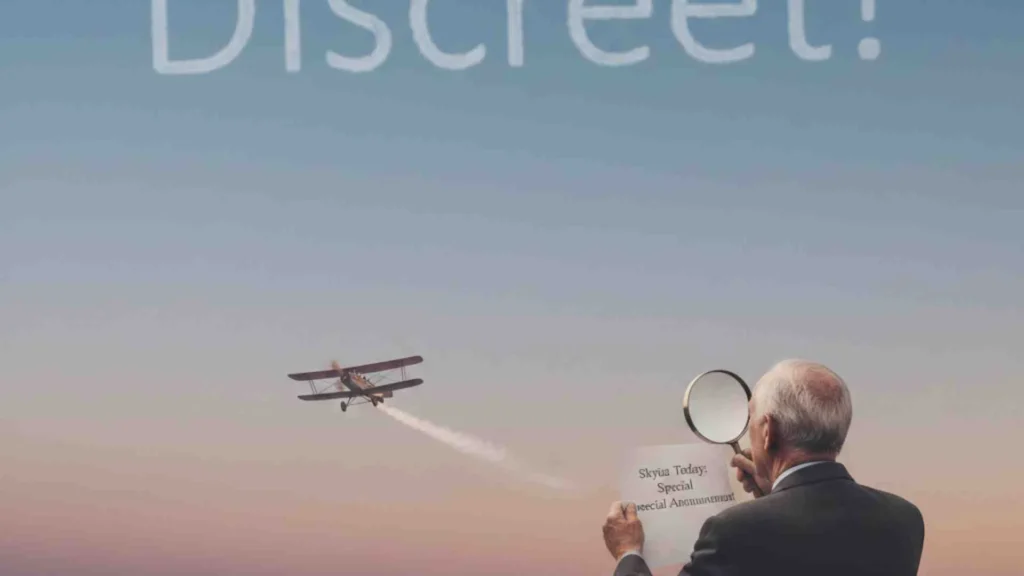
- Discreet: “His skywriting announcement was extremely discreet.”
All these terms function through contrast-based humor like demure, highlighting the ironic linguistic shift.
Cultural Spread and Influence
The ironic usage of demure is most prevalent in certain cultural contexts:
- Urban centers in the United States: Fashion, entertainment, LGBTQ+ communities
- United Kingdom youth culture: Metropolitan areas with subcultural language
- Online platforms: Twitter, Instagram, TikTok, discussion forums
- Less common in regions like Australia, Canada, and New Zealand, where other ironic expressions dominate
Teaching and Learning About Demure
For language learners and educators, understanding demure slang usage requires:
- Contextual learning: Exposure to real-life scenarios instead of memorized definitions.
- Familiarity with cultural references: Knowing fashion trends, drag communities, and online memes.
- Attention to tone indicators: Recognizing verbal cues and emojis signaling irony.
- Practice with feedback: Using the term in authentic situations to gain intuitive understanding.
Tips for learners:
- Pair examples with images or video clips for clarity.
- Compare traditional vs. slang meanings side by side.
- Encourage students to identify ironic markers in social media posts.
Real-World Examples of Demure in Slang
Illustrative scenarios show how the ironic meaning works:
- Fashion Statement:
- Neon dress with sequins and feathers.
- Response: “Very demure, aren’t we?”
- Neon dress with sequins and feathers.
- Extravagant Events:
- 15-course tasting menu with molecular gastronomy.
- Response: “Just a demure little dinner.”
- 15-course tasting menu with molecular gastronomy.
- Celebrity Behavior:
- Mansion with gold-plated fixtures and chandeliers.
- Response: “Their home is so demure.”
- Mansion with gold-plated fixtures and chandeliers.
- Public Performance:
- Table-pounding political speech.
- Response: “Such a demure expression of opinion.”
- Table-pounding political speech.
- Attention-Grabbing Vehicles:
- Bright red sports car with custom exhaust.
- Response: “Very demure indeed.”
- Bright red sports car with custom exhaust.
Common Misunderstandings About Demure

Several misconceptions persist regarding demure slang usage:
- Regional universality assumption: Not all English-speaking areas recognize this usage.
- Tone misinterpretation: Some may mistake irony for literal praise.
- Context appropriateness: Ironic demure is unsuitable in formal or professional settings.
- Perception of novelty: Though popularized online, ironic usage has historical roots in queer and camp cultures.
The Future of Demure in Slang
Language evolution raises questions about demure’s trajectory:
- Will demure remain subcultural or enter mainstream slang?
- Could its ironic usage influence formal definitions?
- Might new ironic slang terms emerge through similar mechanisms?
Historical patterns suggest that slang either becomes mainstream or fades as new expressions arise. Currently, demure exists in a transitional space—widely recognized in certain communities but opaque to others.
Conclusion
Answering “what does demure mean” requires understanding both traditional and modern slang usage. In formal contexts, it denotes modesty, reserve, and shyness, while in contemporary slang, it often serves as an ironic descriptor for boldness or extravagance. Recognizing contextual clues, tone indicators, and social settings is essential for accurate interpretation.
Language, culture, and humor intersect in fascinating ways, and the evolution of demure is a perfect example of semantic drift, pragmatic recontextualization, and sociolinguistic signaling. By studying its uses, we gain insight into both linguistic creativity and cultural expression.

Lucas Blake is a modern voice in the world of inspiration, known for curating powerful words that awaken the soul. With a deep passion for human psychology, emotional resilience, and timeless wisdom, he has spent years exploring the transformative power of quotes. Whether it’s a line that sparks self-belief or a phrase that heals a broken heart, Lucas believes that the right words can shift a life’s direction.
Blending literary elegance with real-life grit, Lucas captures the raw beauty of emotions through quotes — from heartbreak and healing to ambition and courage. His writing is not just about words, but the feeling they leave behind. He draws influence from everyday people, timeless thinkers, and the silent battles we all face.
When he’s not writing, Lucas enjoys quiet mornings with a book, long walks under open skies, and deep conversations that challenge the mind. His mission is simple: to help readers find clarity, comfort, and courage through the written word.
📚 Published Works by Lucas Blake
-
“Whispers Between the Lines”
A collection of life-changing quotes and reflections on love, loss, and finding strength in silence. -
“The Quiet Power of Words”
A thought-provoking journey through minimalist wisdom, where every sentence carries a lesson. -
“Echoes of a Stronger You”
An empowering compilation of motivational and self-growth quotes for anyone rebuilding their life.